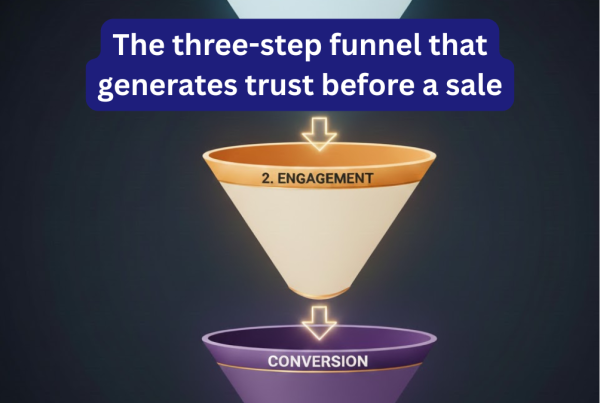
Most doctors believe successful marketing requires complicated funnels, multiple landing pages, long email sequences, automation tools, and expensive agencies. However, many doctors who grow consistently online are using a simpler approach. They use a single-page funnel that helps visitors understand their expertise, feel confident, and take a clear next step, all with minimal tech.
This single-page funnel works because it matches how patients make decisions. Patients do not want to click through several pages, read long funnels, or deal with too much information. They prefer clarity, simplicity, and a direct path to action. This funnel gives them exactly that.
Why a Single-Page Funnel Works for Doctors
Healthcare choices are often emotional and based on trust. Patients usually want reassurance and clarity before making a decision. A single-page funnel helps because it:
- reduces confusion and unnecessary steps
- creates trust through simple explanations
- gives patients one clear action to take
- focuses on value instead of complicated marketing
- communicates why the doctor may be a good fit for their needs
Doctors often don’t need multi-step funnels. A well-structured page can be enough to help patients understand the care offered.
The Structure of the Single-Page Funnel Doctors Use
1. A Clear Headline That Defines the Problem
Patients first want to know if the doctor understands their concern. The headline should reflect the patient’s challenge or goal.
Example:
“Struggling with chronic fatigue? We help you get answers fast.”
“Struggling with chronic fatigue? We help you get answers fast.”
This helps the visitor immediately understand the page is relevant to them.
2. A Short Story to Build Trust
Patients connect with doctors who feel approachable and genuine. A brief 4–6 sentence story can explain:
- Why did you choose your specialty
- What matters to you in patient care
- What makes your approach helpful
This section builds human connection and sets the tone for trust.
3. Simple Educational Value
Use the next section to explain your method or process in simple language. Avoid technical or medical terms.
A simple 3-step explanation works well:
- Understand the root problem.
- Create a personalized plan.
- Support the patient through the process.
This gives patients a clear picture of what working with you looks like.
4. Social Proof
Positive experiences from other patients are a strong trust-builder. This section can include:
- 3–5 testimonials (with consent)
- progress stories
- media mentions or awards
- reviews from Google or Practo
These elements help visitors feel more confident about reaching out.
5. Clear Call-to-Action
End the page with one simple action, such as:
- “Book Your Consultation”
- “Schedule Your First Call”
- “Start Your Treatment Plan”
A single, focused CTA reduces confusion and encourages action.
Why This Funnel Is Effective
A single-page funnel works well for many doctors because:
- patients understand the message quickly
- it reduces unnecessary steps
- it presents information clearly
- it doesn’t require complex technology
- it can work on multiple platforms
- it supports trust-building through simplicity
This approach fits how many patients prefer to make decisions based on clarity, comfort, and trust.
How to Use This Funnel Across Platforms
Once created, the page can be shared across many channels:
- Instagram bio
- YouTube video descriptions
- WhatsApp broadcasts
- Google Business Profile
- LinkedIn posts
- Email signatures
- Online ads
One page can support the entire patient-acquisition system.
The Takeaway
Doctors don’t always need complex funnels. A single, well-designed page can:
- Communicate value clearly
- build trust
- show patient stories
- guide visitors to the next step
This simple page is the foundation many doctors rely on to grow their online presence and reach more patients.