An automated reporting system for clinics is becoming essential as modern clinics generate large volumes of data everyday appointments, patient visits, treatments, follow-ups, and revenue. Yet many clinics still rely on manual reports or scattered spreadsheets to track performance. This approach wastes valuable time, increases errors, and limits growth.
An automated reporting system transforms raw clinic data into clear, real-time insights, helping clinic owners make better decisions, improve efficiency, and deliver stronger patient care.
1. What Is an Automated Reporting System?
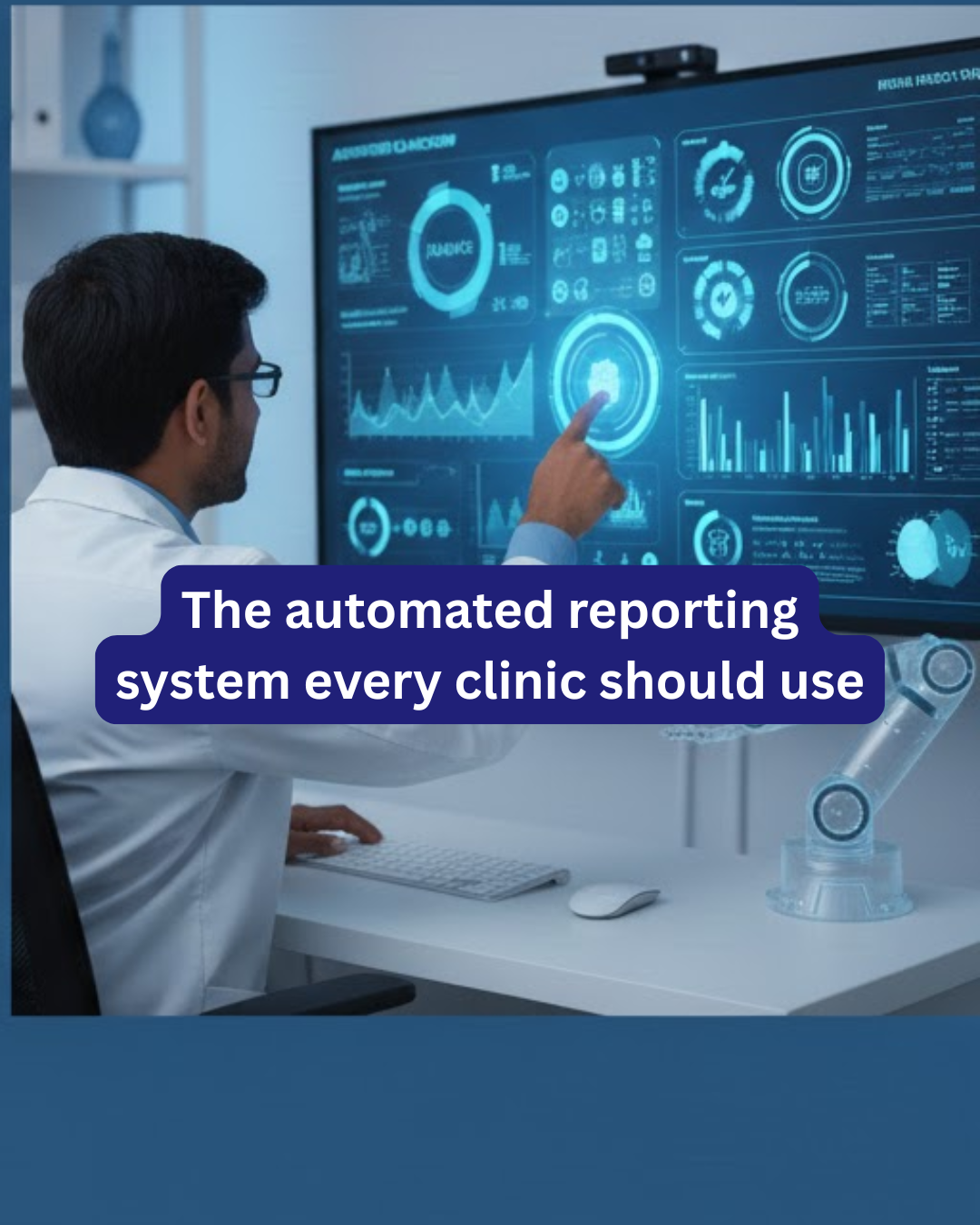
An automated reporting system collects, organizes, and presents clinic data without manual effort. Instead of compiling reports by hand, clinics gain access to real-time dashboards and scheduled reports that update automatically.
These systems integrate with appointment software, electronic health records (EHR), billing tools, and patient management platforms to provide a complete view of clinic performance in one place.
2. Why Clinics Need Automated Reporting
Manual reporting is time-consuming and prone to errors.
Clinic teams often spend hours:
- Exporting data
- Cleaning spreadsheets
- Preparing weekly or monthly reports
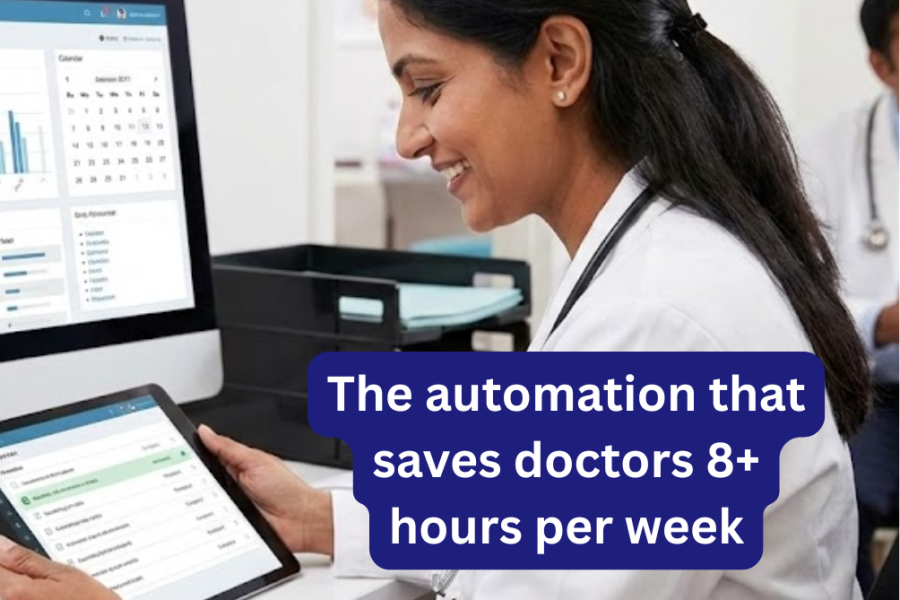
Automated reporting eliminates repetitive work, ensures data accuracy, and maintains consistency. This allows staff and doctors to focus more on patient care rather than administrative tasks.
3. Key Reports Every Clinic Should Track
A well-designed automated reporting system provides insights across both clinical and operational areas, including:
- Appointment utilization: booked versus attended visits
- No-show rates: trends and reduction opportunities
- Patient retention: repeat visits and follow-up compliance
- Revenue performance: services, packages, and growth trends
- Operational efficiency: staff workload and clinic capacity
Having all key metrics in one dashboard supports faster planning and smarter decisions.
4. How Automated Reporting Improves Decision-Making
Automated reporting delivers real-time visibility into clinic performance.
Clinic owners and managers can quickly identify:
- Underperforming services
- Peak patient hours
- Gaps in follow-up care
Instead of waiting for monthly summaries, clinics can act immediately to improve outcomes, efficiency, and profitability.
5. How Automation Improves Patient Experience
Data-driven clinics consistently deliver better patient experiences.
Automated reports help clinics:
- Reduce waiting times
- Improve appointment scheduling
- Ensure timely follow-ups
When internal systems run smoothly, patients experience more organized, professional, and reliable care.
6. Scalability for Growing Clinics
As clinics expand, manual systems struggle to keep up.
Automated reporting solutions scale effortlessly, handling higher patient volumes, additional doctors, and even multiple locations without increasing administrative workload. This makes automation critical for clinics planning long-term growth.
7. Choosing the Right Reporting System for Your Clinic
The right reporting system should be:
- Easy to use
- Customizable to clinic needs
- Secure and compliant with healthcare regulations
- Integrated with existing clinic tools
A good reporting system supports growth without adding unnecessary complexity.
Final Thoughts
An automated reporting system for clinics is no longer optional; it is essential for modern healthcare practices.
By replacing manual reporting with automation, clinics gain clarity, efficiency, and control. The right system empowers better decisions, enhances patient experience, and supports sustainable growth.
Clinics that adopt automated reporting today will operate smarter, scale faster, and remain competitive tomorrow.