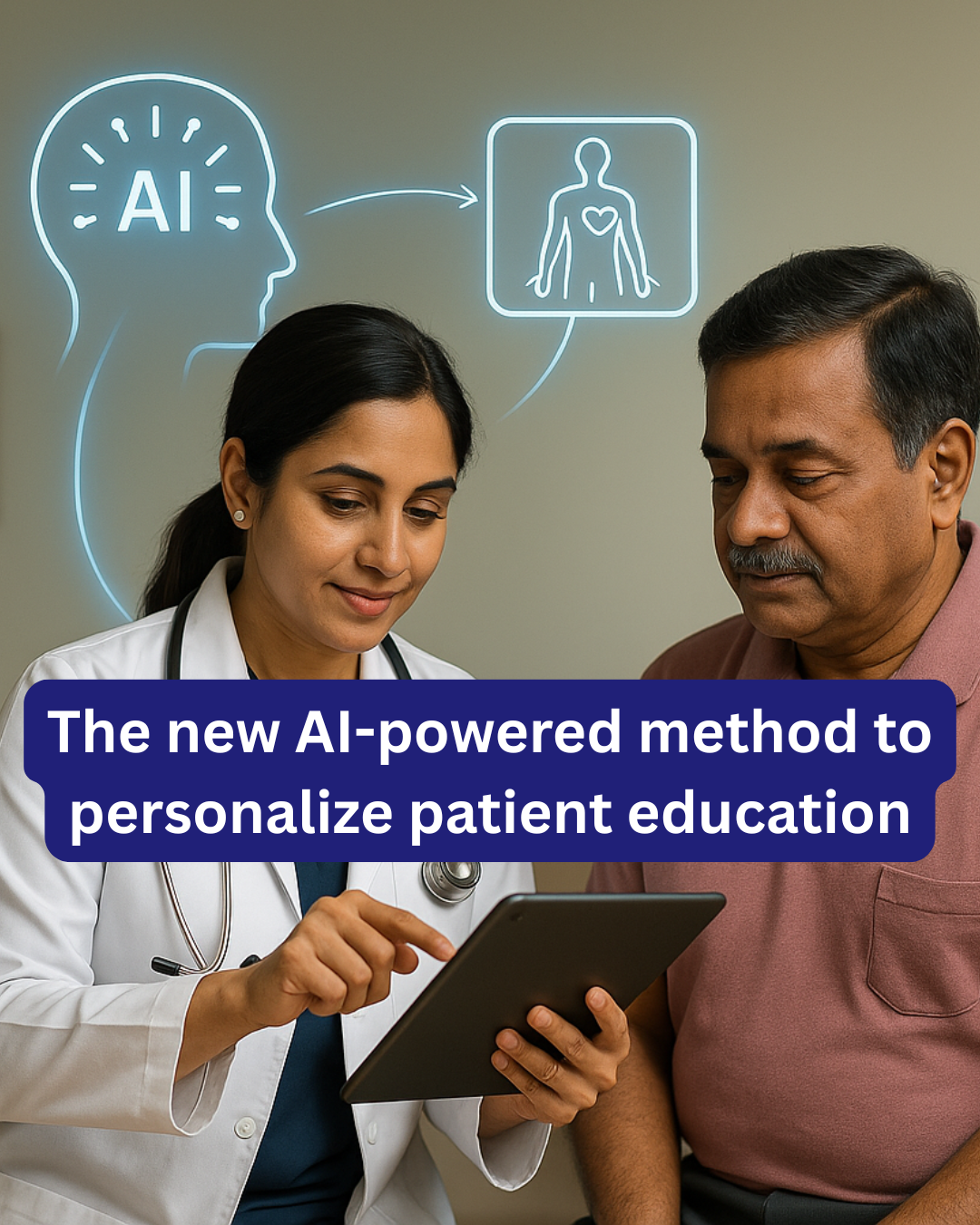
Helping people understand their health is one of the most important parts of care. Clear information builds confidence and supports better decisions. But not everyone learns in the same way. This is why AI personalized patient education is becoming an essential tool for clinics today.
Some people learn through visuals. Others prefer short explanations. Some want detailed steps, while others need emotional support along with information.
Traditional education does not support these differences. Many clinics use the same material for everyone, even though each person has unique needs. This often leads to confusion or incomplete understanding. AI now helps bridge this gap.
Why Traditional Patient Education Falls Short
Most clinics use brochures, videos, or quick verbal instructions. These can help, but they are often too general. The content may feel complex, overwhelming, or not relevant to the person’s situation. Many people also forget details once they leave the clinic.
These challenges affect how well someone follows treatment, takes medication, or makes lifestyle changes. A flexible, adaptive method is needed, and this is where AI personalized patient education makes a difference.
How AI Personalized Patient Education Works
AI can adjust information based on age, language preference, learning style, symptoms, concerns, or cultural background. It creates explanations that feel personal, simple, and easy to understand.
AI simplifies medical language.
It turns complex medical terms into friendly, everyday words.
For example:
Instead of “hypertension,” AI might say:
“Your blood pressure is higher than normal, which puts extra pressure on your heart.”
For example:
Instead of “hypertension,” AI might say:
“Your blood pressure is higher than normal, which puts extra pressure on your heart.”
AI adapts to different learning styles.
It can create short summaries, longer explanations, reassuring messages, or child-friendly versions. This is a key part of AI personalized patient education.
AI creates helpful visuals.
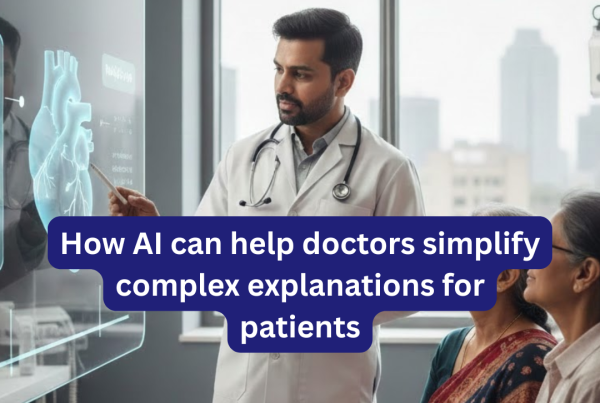
Many people learn better through images. AI can generate diagrams, step-by-step instructions, and simple illustrations that make learning easier.
AI gives personalized aftercare guidance.
It creates diet suggestions, reminders, or lifestyle advice based on the person’s needs.
AI supports people after the visit.
AI chat tools can answer basic questions later at home. This helps people feel informed and cared for.
Why Personalized Education Works Better
When information feels personal and clear, people understand it more easily. They know what to do and why it matters. This reduces stress and builds confidence.
Personalized explanations help people stay engaged in their care, which leads to better outcomes. Doctors also save time because they spend less time repeating instructions.
This is why AI personalized patient education is becoming a powerful tool in modern healthcare.
This is why AI personalized patient education is becoming a powerful tool in modern healthcare.
Real Examples of AI in Action
- A person with diabetes receives a simple, customized meal guide.
- A parent gets a picture-based asthma explanation for their child.
- An older adult receives large-text instructions that are easier to read.
- A heart patient gets a recovery plan with clear milestones.
Small changes like these help people feel supported and understood.
How Clinics Can Start Using AI
Here is a simple way to begin:
- Choose an AI tool that creates text and visuals.
- Add basic details about the person’s needs.
- Generate personalized education content.
- Share printed or digital copies.
- Use AI follow-up messages for continued support.
Even small steps can make communication clearer and smoother.
Final Thought
Healthcare is becoming more personalized, and patient education needs to follow. AI personalized patient education helps doctors explain information in a way that is supportive, clear, and easy to understand. When people understand their health, they feel empowered. When communication improves, trust grows.
AI helps bring people and healthcare providers closer through better understanding.